
Strathcona Park is the oldest BC Provincial Park, established in 1911. Spanning over 250,000 hectares in the heart of Vancouver Island, it is known for its rugged mountains, glacier-fed lakes, cascading waterfalls, and diverse wildlife.
The park offers a variety of outdoor activities, including camping opportunities and easy day hikes to challenging backcountry adventures.
Due to its distance from the main highway and rugged exterior, Strathcona Park is an often overlooked part of Vancouver Island.
But I assure you, it is well worth the effort!
The quietness, fresh air, and breathtaking views of lakes, mountains, and waterfalls will recharge your soul like no other place. With no cell coverage, no WiFi, and the only amenity being pit toilets, you are quite literally leaving the rest of the world behind.
If you are looking for a place to unwind and escape it all, make Strathcona Park your next Vancouver Island destination.
This article may contain affiliate links, which means that if you happen to make a purchase, I may receive a small commission at no extra cost to you. Please read our privacy policy for more information.
Key Takeaways
- Strathcona Park is Vancouver Island’s largest and oldest provincial park, offering rugged mountains, alpine lakes, and breathtaking waterfalls.
- Top attractions include Buttle Lake, Forbidden Plateau, Della Falls, and Elk River Trail, with activities ranging from hiking and camping to paddling and wildlife viewing.
- Buttle Lake provides frontcountry camping, scenic waterfalls like Myra Falls, and access to numerous hiking trails.
- Forbidden Plateau is the most accessible area, featuring Paradise Meadows, Helen Mackenzie Lake, and Mount Albert Edward for hiking and backcountry adventures.
- Della Falls is one of Canada’s tallest waterfalls, accessible via a multi-day backcountry hike that includes a boat ride across Great Central Lake.
- Nearby attractions include Elk Falls Provincial Park, Campbell River, and Mount Washington, offering even more outdoor adventures.
- Lodging options include Strathcona Park Lodge, frontcountry campgrounds, and vacation rentals at Mount Washington for easy access to the park.
This comprehensive guide covers everything you need to plan an unforgettable trip to Strathcona Park, whether you’re looking for day hikes, scenic camping spots, or multi-day backcountry adventures.

Best Time to Visit
- Spring (April–June): Waterfalls are at their peak flow, and wildflowers start blooming.
- Summer (July–September): Best for hiking, camping, and backcountry adventures.
- Fall (September–October): Fewer crowds, beautiful autumn colours, and cooler hiking temperatures.
- Winter (November–March): Snowshoeing and backcountry skiing opportunities, mainly in the Paradise Meadows area.
Please be advised that most trails are snow-covered from late October/early November until at least the end of May. The higher-elevation trails are often snow-covered until mid-July.
For those exploring the park during the snow-covered season, ensure you are well-equipped for changing conditions. Also, please check the avalanche reports before heading here.
Places to Explore in Strathcona Park BC
Strathcona Park is the oldest Provincial Park in BC, and with over 250,000 hectares to explore, it's also Vancouver Island's largest.
The park is divided into two developed areas: Buttle Lake (accessible via Campbell River) and Forbidden Plateau (located adjacent to Mount Washington).
Both areas offer spectacular outdoor adventures. The rest of the park has been largely untouched and is a wonderment for those seeking a true wilderness and back-country experience.

Buttle Lake
Buttle Lake is one of the most scenic areas in Strathcona Provincial Park, offering camping, hiking, paddling, fishing, and stunning mountain views. This long, glacier-carved lake is flanked by rugged peaks and dense forests, making it a perfect destination for outdoor enthusiasts looking for a peaceful nature retreat.
BC Provincial Park Camping
There are two main vehicle-accessible campgrounds near Buttle Lake. Both campgrounds offer a beautiful setting of large trees and private sites. Their remoteness from a city center makes it feel like you are backcountry camping but without the hassle of carrying your gear.
Buttle Lake Campground is closest to Campbell River and on the more significant part of the lake. Ralph River is located on the south end of the lake (a good 35km from the head of Buttle Lake).
As neither campground offers any amenities other than pit toilets and water pumps, they are best suited for those that are self-contained. But if you can handle the ruggedness, you are in for quite a treat.
1. Buttle Lake Campground
- Location: Located on the east shore of Buttle Lake, near the park entrance off Highway 28.
- Campsites: 86 vehicle-accessible sites, some with lake views.
- Operating Season: April to October
- Facilities:
- Pit toilets
- Picnic tables
- Fire rings (fire bans may apply in summer)
- Drinking water hand pumps
- Activities:
- Swimming: The lake has cool, clear waters that are perfect for a refreshing summer swim.
- Boating & Canoeing: The campground has a boat launch, making it a great spot for kayaking, canoeing and boating.
- Fishing: Buttle Lake is home to rainbow trout, cutthroat trout, and Dolly Varden.
- Hiking: Several trailheads are nearby, including the Karst Creek Trail and Shepherd Creek Trail.
- Reservation-Only Sites: The campsites at Buttle Lake are by reservation only. If campsites are not reserved, they may be used on a first-come, first-served, nightly basis.
2. Ralph River Campground
- Location: Situated on the southern end of Buttle Lake, approximately 35 km south of Buttle Lake Campground.
- Campsites: 75 vehicle-accessible sites in a quiet, forested area.
- Operating Season: April to October
- Facilities:
- Pit toilets
- Picnic tables
- Fire rings
- Drinking water hand pumps
- Activities:
- More secluded than Buttle Lake Campground, offering a quieter camping experience.
- Suitable for fishing, wildlife viewing, and hiking
- Closer to Lower Myra Falls, one of the most spectacular waterfalls in the park.
- Reservation-Only Sites: The campsites at Ralph River are by reservation only. If campsites are not reserved, they may be used on a first-come, first-served, nightly basis. There is no overflow camping available at this campground.
Please visit the Strathcona Provincial Park website for more information on how to reserve at either of these campgrounds.
One important thing to note is that both Buttle Lake campgrounds have a mouse problem. Meaning that they tend to get into everything, including your motorhome and trailer!
RV Rentals
If you are looking for an RV rental, there are two sites I recommend. They run much like a vacation rental site (like Vrbo) but for RVs!
Between the two websites, there are many local options available. Just type in the location/area you want to rent from, and a list of options will pop up.
For Strathcona Park, your best bet is to rent from someone in Campbell River.

Boating & Paddling on Buttle Lake
- Boat Launches: These are available at the Buttle Lake Campground and the lake's southern end near Ralph River Campground.
- Canoeing and Kayaking: Buttle Lake's calm waters make it a fantastic paddling destination. Paddlers can explore hidden coves and waterfalls and even access remote campsites like Phillips Creek.
- Motorboats Allowed: Unlike some alpine lakes, Buttle Lake does allow motorboats, so expect some boat traffic.
Wildlife & Nature in the Buttle Lake Area
- The region has Roosevelt elk, black bears, cougars, and wolves.
- Birdwatchers can spot bald eagles, osprey, and woodpeckers.
- The lake supports a healthy fish population, making it an excellent angler spot.
Getting to Buttle Lake
- From Campbell River, take Highway 28 west toward Gold River.
- The Buttle Lake Campground is about 48 km from Campbell River.
Lodging near Buttle Lake
Strathcona Park Lodge (SPL) is a wilderness resort and outdoor education centre welcoming visitors since 1959. It is known for its eco-conscious ethos, immersive outdoor programs, and breathtaking setting, making it a perfect place for nature lovers, adventurers, and families.
📍 Location: 25 km west of Campbell River, along Highway 28
🏡 Type: Eco-lodge, outdoor education center, and adventure hub
🌲 Setting: Nestled on the shores of Upper Campbell Lake, with stunning views of Strathcona Provincial Park

Forbidden Plateau
The Forbidden Plateau is one of the most accessible and scenic sections of Strathcona Provincial Park, located near Mount Washington Alpine Resort.
This subalpine plateau is famous for its rolling meadows, crystal-clear lakes, diverse wildlife, and stunning mountain vistas. It is a four-season destination, offering hiking and camping in the summer and snowshoeing and backcountry skiing in the winter.
Why is it Called “Forbidden Plateau”?
According to local legend, the area was once a sacred retreat for the K’ómoks First Nation. However, when they sought refuge there from attacking enemies, they mysteriously disappeared.
The plateau was given the name “Forbidden” due to the belief that spirits inhabited the area.
Today, the plateau is more welcoming than its name suggests and is a favourite hiking and backcountry destination.
Access to Forbidden Plateau
- The most popular access point is through the Paradise Meadows Trailhead, located at the base of Mount Washington Alpine Resort.
- The area is accessible year-round, with maintained trails in summer and snowshoeing routes in winter.
- Parking is available at the trailhead, and a visitor information kiosk provides maps and condition updates.
Backcountry Camping in Forbidden Plateau
There are no front country campgrounds in this area, but there are several backcountry camping spots:
- Lake Helen Mackenzie (a good beginner backcountry site).
- Circlet Lake (a popular overnight stop for Mount Albert Edward hikers).
- Kwai Lake (a more secluded site, ideal for multi-day hikes).
- All sites have basic facilities: tent pads, pit toilets, and bear-proof food caches.
🛑 Important: Fires are not permitted in Strathcona’s backcountry. Campers must use a camp stove.
Please visit the BC Provincial Park website for more information about backcountry camping.
Wildlife & Nature in Forbidden Plateau
- Home to black bears, cougars, Vancouver Island marmots, and Roosevelt elk.
- The lakes and meadows attract blue herons, whiskey jacks, bald eagles, and a variety of songbirds.
- During early summer, the plateau is covered in wildflowers, including lupines, paintbrush, and lilies.
🚨 Wildlife Safety:
- Bears and cougars are present in the area—always store food properly.
- Bug season (June to early July) can be intense—bring bug spray!
Lodging Near Forbidden Plateau
If you’re planning to explore Forbidden Plateau in Strathcona Provincial Park, staying at Mount Washington Alpine Resort is one of the most convenient and comfortable options.
Located just minutes from the Paradise Meadows trailhead, Mount Washington offers a variety of lodging options, from cozy condos to full-size vacation rentals.

The Hiking Trails
The trails in Strathcona Park are the main attraction only because of how many there are. No matter what kind of hiking you want, this park has it!
While I can't begin to list them all, here are a few of the more popular ones. All the trails mentioned are easily found off the main road and via well-appointed signage within the park.
As mentioned above, Strathcona Park has no cell coverage, so please take extra precautions when hiking here. Tell someone where you plan to hike, bring extra water, supplies and safety gear, and use offline maps like AllTrails for guidance.
Waterfall Trails
All of the ‘Waterfall Trails' mentioned below are on the Buttle Lake side of Strathcona Park.
- Lady Falls – A 900-metre path, which takes approximately 15 minutes (one way), leading to a platform for a spectacular view of the falls.
- Lupin Falls – Walk along a well-maintained trail for approximately 15 – 20 minutes to reach the magical area surrounding Lupin Falls.
- Karst Creek – For views of limestone, sinkholes, and a waterfall that disappears, walk this 2 km (roundtrip) trail.
- Lower Myra Falls (pictured above) – A 15-minute walk down a fairly steep decline takes you to a myriad of colours and sights, as well as a string of connected falls.
- Upper Myra Falls – A 6km (return) trip on a moderate trail takes you through old-growth forests to view the crystal clear water of cascading creeks.
Short Walks
All ‘Short Walks' mentioned below are on the Buttle Lake side of Strathcona Park.
- Elk River Viewpoint—This 10-minute walk leads to a platform with views across the Elk River and towards the Roosevelt elk habitat. Winter and fall are the best times to spot elk herds.
- Auger Point – This 5-minute loop leads through an old-growth forest that was once devastated by a forest fire.
- Wild Ginger – This 15-minute loop trail leads you through an old-growth forest with views of large patches of wild ginger.
- Shepard Creek – This 1.5 km easy loop (approximately 45 minutes) takes you through a mix of marshy areas and open forest.
Long Hikes in the Buttle Lake Area
- Crest Mountain – With the entire 5 km trail being uphill, this one is a real grind. Once you reach the top, you will reap the benefits of a spectacular bird's-eye view of the surrounding area.
- Phillips Ridge – This 6km hike has an elevation change of 800 metres and leads to Arnica Lake. Note of interest: There is a backcountry camping area at the north end of Arnica Lake. If you decide to camp the next day, you can continue to Phillips Mountain.
- Flower Ridge – A 6km hike with some beautiful viewpoints full of alpine flowers in almost every season. Please note: This trail is steep and rough until you reach the alpine ridge. Also, water can be scarce.
- Bedwell Lake – Another 6 km hike, although this one has a unique terrain with well-constructed bridges, steep stairs, and creek crossings. Backcountry camping is available around the lake area. Hikes to Cream Lake and Bedwell Sound also leave from here. Camping fees apply.

Forbidden Plateau Area Trails
The main access to Forbidden Plateau is from the Paradise Meadows trailhead, which is found by heading up towards Mount Washington Alpine Resort.
Before reaching the resort, turn left onto Nordic Lodge Road and follow the signs to the Paradise Meadows parking area.
There is a fully wheelchair-accessible Wilderness Centre, which provides lots of great information about Strathcona, as well as many other BC Parks. They also have a few snacks for sale.
There is a fully accessible outhouse and washrooms inside the Wilderness Centre. There are no toilet facilities along the trails.
- Paradise Meadows Loop Trail – This 2.2 km trail is wheelchair accessible and has both boardwalk and hard-packed gravel sections.
- Helen MacKenzie-Battleship Lake Loop – This 8 km (approximately 3 hours) easy hike is on well-developed trails that meander through a mix of sub-alpine meadows and forests. Make sure to take in the spectacular views of the surrounding mountains.
- Helen MacKenzie to Circlet Lake – This 9.5 km (approximately 5 hours) hike starts at Lake Helen MacKenzie. The trail follows forested slopes over rougher terrain before rising to a sub-alpine area. There is designated backcountry camping available at Circlet Lake. Camping fees apply.
- Helen MacKenzie-Kwai Lake-Croteau Lake Loop Trail – This 14 km trail offers hikers access to beautiful alpine lakes and mountain vistas. Designated backcountry camping is available at Kwai Lake. Camping fees apply.
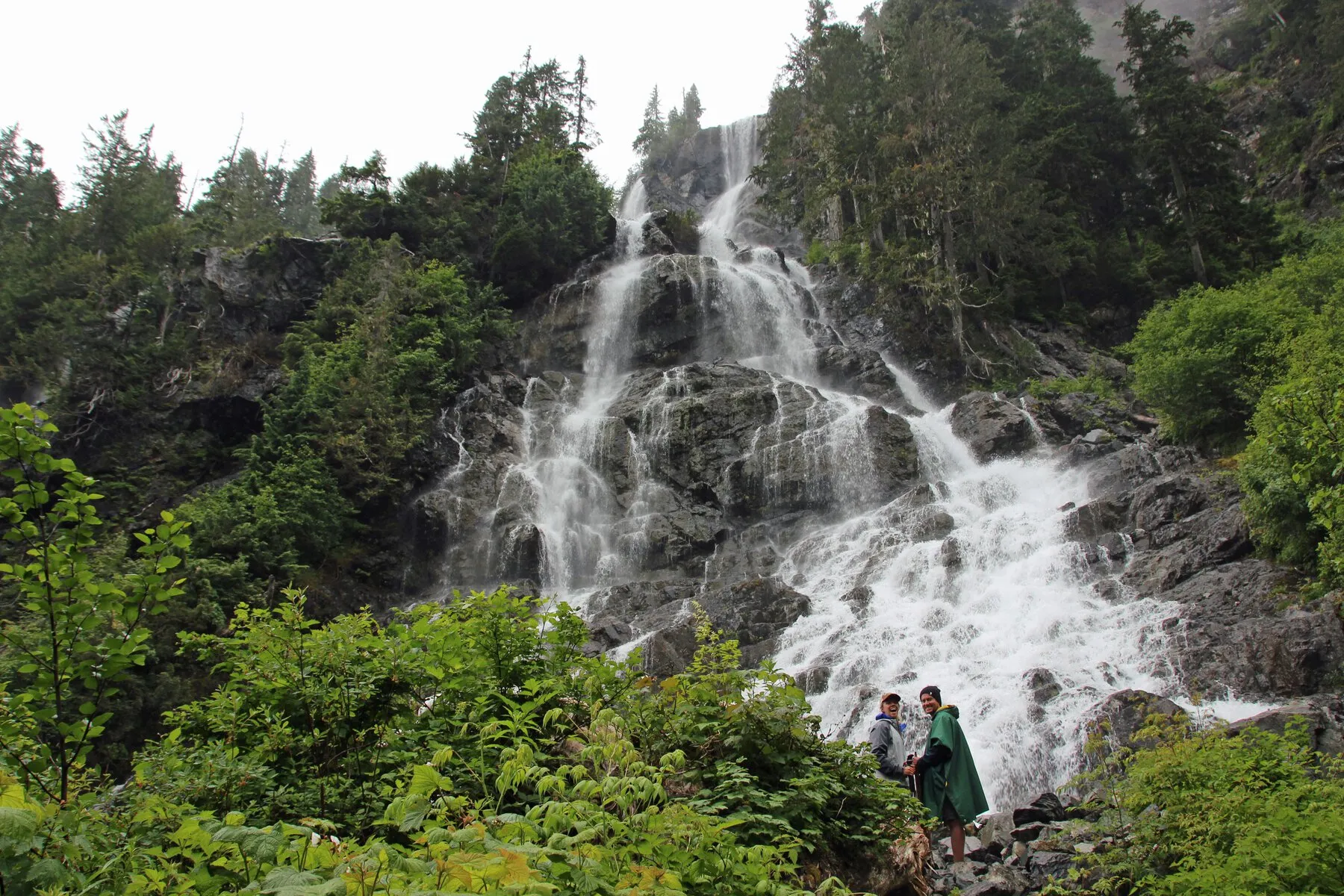
Della Falls – The Tallest Waterfall in Canada
Della Falls, located within the park boundaries, is one of the tallest waterfalls in Canada, with a staggering 440-meter (1,440-foot) drop. This three-tiered waterfall cascades down the rugged cliffs of the Della Falls Valley, nestled deep in Vancouver Island’s backcountry.
Reaching Della Falls is an adventure in itself. It requires boating across Great Central Lake (near Port Alberni) and a challenging 15-kilometer (one-way) hike through remote wilderness.
The journey is demanding, but those who make it are rewarded with breathtaking views, pristine wilderness, and one of the most spectacular waterfalls in British Columbia.
This is the only waterfall in the park I haven't been to (yet!), but I'd be remiss if I didn't include the information for you.
How to Get to Della Falls
Getting to Della Falls requires a multi-step journey, combining boating, hiking, and optional backcountry camping.
Step 1: Boat Across Great Central Lake
- The Della Falls Trailhead is only accessible by water.
- To reach the trailhead, you must cross Great Central Lake (33 km long).
- Options for crossing:
- Water taxi: Della Falls Water Taxi operates shuttle services from the Great Central Lake Marina.
- Kayaking/Canoeing: This is a more adventurous option, but it requires 42km of paddling each way.
Step 2: Hike the Della Falls Trail
- Distance: 15 km (one-way)
- Elevation Gain: ~1,087 meters
- Difficulty: Hard
- Time: 4 to 6 hours (one way) depending on pace
- Trail Conditions:
- Begins with a relatively flat, forested trail following the Drinkwater Creek Valley.
- Features several wooden bridges, log crossings, and steep sections as you get closer to the falls.
- Some sections may be overgrown or muddy, especially in early summer.
- The final viewpoint offers jaw-dropping views of the waterfall.
Camping Near Della Falls
Della Falls is a multi-day hike, so most visitors camp overnight near the falls.
- Saw Blades Camp: Located near the base of the falls, offering tent pads, pit toilets, and bear-proof food caches.
- Margaret Creek Campsite: Another camping option is located midway along the trail.
🚨 Note: Campers must practice Leave No Trace principles and properly store food due to the area's black bear activity.
Hiking to Love Lake (Optional Side Trip)
For those looking for even more adventure, a steep and strenuous trail leads to Love Lake, a stunning alpine lake above Della Falls.
- Distance: 5 km (round-trip) from Della Falls
- Elevation Gain: another 600 meters
- Time: 2–4 hours (round-trip)
- Highlights:
- A breathtaking aerial view of Della Falls from above.
- A serene glacier-fed lake surrounded by jagged peaks.
This is a challenging climb, so it’s recommended for experienced hikers only.
Best Time to Visit Della Falls
- Late June – Early September:
- Waterfalls are at peak flow in early summer due to snowmelt.
- Trails are mostly snow-free by mid-June.
- Spring (April–May): Trails will be muddy, with lingering snow at higher elevations.
- Fall (September): Cooler temperatures but lower water flow.
- Late Fall/Winter (October–March): Not recommended due to deep snow, freezing temperatures, and difficult access.
It's important to note that Della Falls Water Taxi only operates from May 15 to September 2.
Wildlife & Safety Considerations
- Black Bears & Cougars: They are Common in the area; bring bear spray and store food in bear-proof containers.
- Mosquitoes & Bugs: Bug spray is essential, especially in early summer.
- Trail Conditions: Some sections may have fallen trees or river crossings. Always check conditions before your trip.
Make sure you know what to do if you encounter wildlife.
Other Areas of Interest Near Strathcona Park
While Strathcona Provincial Park is the main attraction, the surrounding region offers plenty of other stunning natural sites, outdoor adventures, and cultural experiences.
Here are a few must-visit destinations near the park, including Elk Falls Provincial Park and some top attractions in Campbell River.
Elk Falls Provincial Park & Suspension Bridge
📍 Location: Just 2 km from Campbell River
🕒 Time Needed: 1–2 hours
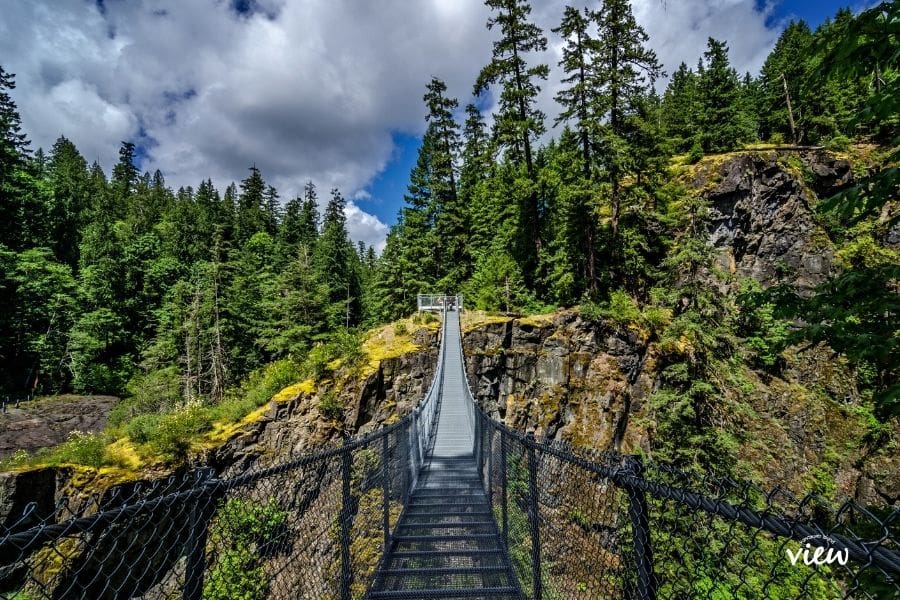
One of the most popular attractions near Strathcona Park, Elk Falls is a stunning waterfall that plunges 25 meters into a rugged canyon. A suspension bridge offers breathtaking views directly over the falls, making it a must-see stop for visitors in the area.
Things to Do at Elk Falls:
- Visit the Suspension Bridge: The 64-meter-long bridge provides an unforgettable perspective over the roaring falls.
- Hike the Elk Falls Trail: A short 1 km forested walk leads to multiple viewing platforms.
Campbell River
📍 Distance from Strathcona Park: 45 km
Campbell River is a gateway to Strathcona Park and Vancouver Island’s wild outdoors. The city is famous for wildlife viewing, fishing, and coastal adventures.
Things to Do in Campbell River:
- Go Wildlife Watching: Take a boat tour to see whales, sea lions, bald eagles, and even grizzly bears in nearby Bute Inlet.
- Discovery Fishing Pier: Canada’s longest public fishing pier, offering great views and a chance to catch salmon.
- Maritime Heritage Centre: Features the restored BCP 45, a historic fishing boat once featured on the Canadian five-dollar bill.
- Quinsam River Hatchery: A great spot for salmon viewing, especially in the fall.
Why Strathcona Provincial Park Should Be on Your Bucket List
Strathcona Park is Vancouver Island’s premier wilderness destination, offering dramatic landscapes, pristine lakes, and awe-inspiring waterfalls.
Whether you’re venturing through the Buttle Lake region, trekking Forbidden Plateau, or tackling the backcountry trails to Della Falls, the park is a paradise for outdoor enthusiasts.
Beyond its rugged beauty, nearby attractions like Elk Falls, Campbell River, and Mount Washington provide even more opportunities to explore and unwind. From rustic camping to cozy mountain condos, there are plenty of ways to experience the region’s natural beauty.
If you crave adventure, solitude, and the chance to connect with Vancouver Island’s wildest landscapes, Strathcona Provincial Park belongs at the top of your must-visit list.

To save this article for future use, please pin the above image on Pinterest.
Subscribe Today!
Like what you are reading? Subscribe to our newsletter to learn more about the best ways to explore Vancouver Island, and you'll also receive this free adventure guide.


Such a great summary of the area. Can’t wait to share this special place with my children soon.
Thank you so much! Enjoy your time there with your children.
“Buttle Lake and Ralph River Campgrounds are 100% by reservations only for this season.” https://bcparks.ca/explore/parkpgs/strath/
Thank you so much for the update!
Lived most of early life in Comox valley and was not aware of such spectacular sites such as these. Keep them coming!
Well, I’m glad to have brought them to your attention then!
Wow! So beautiful!
It really, truly is!