
Vancouver Island is known for its diverse landscapes and temperate climate. Whether you're visiting to explore its lush rainforests, rugged coastline, or charming towns, understanding the weather patterns here can help you plan the perfect trip.
From sunny beaches to stormy coasts, the weather on Vancouver Island is as varied as the regions it covers. In this guide, we explore the island's general weather patterns, the amount of rainfall, seasonal changes, and packing tips to ensure you're prepared no matter when you visit.

How Much Rain Does Vancouver Island Get?
Rain is integral to Vancouver Island's weather, especially on the west coast. The amount of rainfall varies significantly across the island, and knowing this can help you better plan your visit.
- The West Coast: Locations like Tofino and Ucluelet are known for their high rainfall, with annual precipitation totals reaching up to 3,000 mm (118 inches). This region is one of the wettest on the island, especially in the winter months.
- East Coast: In contrast, the east coast of Vancouver Island, including Nanaimo and Parksville, receives less rain, with totals averaging around 950 mm (37 inches) per year.
- Victoria: Often considered one of the driest cities in Canada, Victoria experiences only about 600 mm (24 inches) of rainfall annually, making it an attractive destination for those seeking a break from rainy weather.
While rainfall is common on the island, it doesn't mean your trip will be ruined by endless rain. The island's microclimates offer a range of conditions, with some areas receiving much less rain than others.
As locals, we learn to embrace the rain and dress accordingly. The biggest takeaway in embracing the rain is that you will often have the location you are exploring all to yourself! Look at the photo of Cathedral Grove above. This was taken at the end of August – typically an extremely busy time at this popular park – and there isn't another soul around!
Microclimates Across Vancouver Island
One of the unique aspects of Vancouver Island's weather is its microclimates. The island's geography, which includes mountains, forests, and coastal areas, creates a variety of climate zones. Here's a quick breakdown:
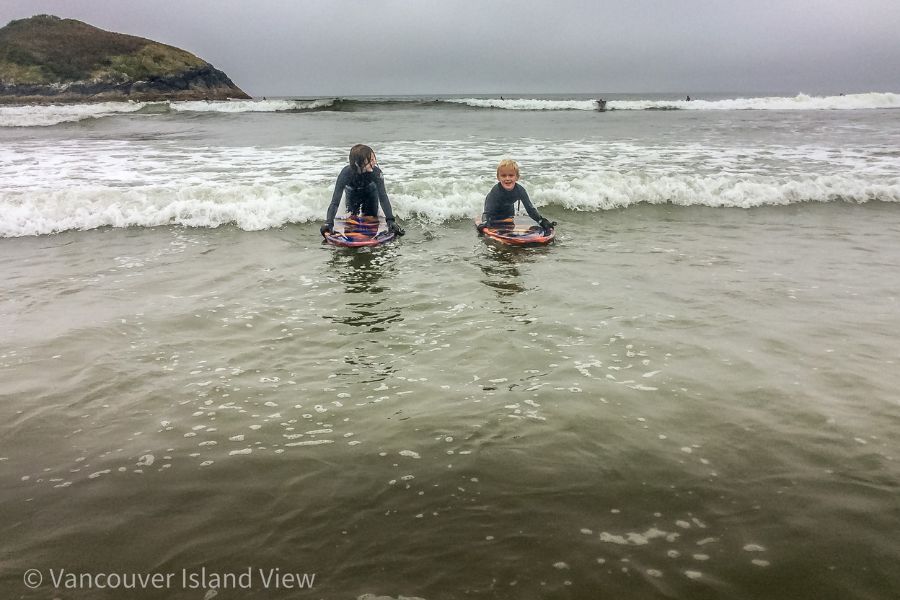
- West Coast: This area experiences wet and wild conditions, especially in the fall and winter, with frequent rain and mist. This is also true for August. We call it “Fogust”. It can be 30+ degrees in Port Alberni and a cool 12-15° with fog on Long Beach near Tofino. If you want a break from the August heat, this is the place to be!
- East Coast: Towns like Parksville and Qualicum Beach on the east coast of Vancouver Island tend to have warmer, sunnier weather, particularly in the summer months. People flock to Rathtrevor Beach in July and August to swim in the warm ocean water.
- South Island: Victoria is known for its mild, dry conditions, which make it a popular destination year-round. On average, Victoria receives over 300 days of sun annually. The Cowichan Valley is another hot spot (quite literally). The name ‘Cowichan' stems from the Indigenous meaning “to warm one's back in the sun.”
- Inland Areas: Lake Cowichan and Port Alberni, located in the heart of Vancouver Island, experience a more continental climate, with warmer summers and cooler winters.
- North Island: The island's northern region has a cooler, wetter climate, especially in winter. As a family, we typically make a summer trip to this region each year, and the cooler weather is a welcome retreat from the hot sun in Parksville.
Understanding these unique microclimates allows visitors to tailor their itineraries and fully appreciate the diverse beauty of Vancouver Island.

Vancouver Island Weather by Month and Season
Spring (March to May)
Spring weather on Vancouver Island is fresh and vibrant, with temperatures ranging from 8°C to 15°C (46°F to 59°F). This season marks the start of new growth, with flowers blooming across the island and waterfalls bursting with fresh snow melt.
While the weather can still be cool and rainy in some areas, especially in the early spring, this island begins to show signs of longer, sunnier days as May approaches.
Spring is ideal for outdoor activities like hiking and wildlife watching.
Read the Spring Bucket List for many ways to explore the island during the spring.
Summer (June to August)
Summer on Vancouver Island is characterized by warm, dry weather, with temperatures ranging from 20°C to 28°C (68°F to 82°F), although coastal areas remain cooler.
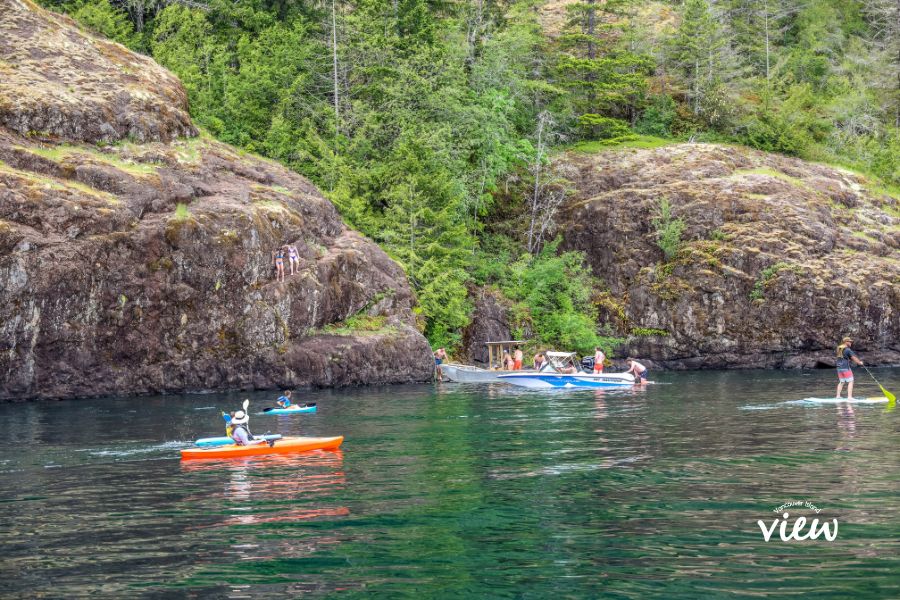
This is the best time to visit if you hope to enjoy the island's beaches, freshwater swimming in our rivers and lakes, and outdoor festivals. With minimal rainfall, especially on the Island's east coast, summer offers the perfect opportunity for kayaking, paddleboarding, and exploring the many natural attractions.
Keep in mind that while the southern and eastern parts of the island enjoy consistent sunshine, the west coast (Tofino and Ucluelet) can still experience occasional rain showers in the summer. (Plus, see the note above about ‘Fogust'!).
If you visit during the summer, check out this article for the top things to see and do.

Fall (September to November)
Fall is my favourite season here! While it brings cooler temperatures, ranging from 10°C to 18°C (50°F to 64°F), early fall, especially, tends to be mild and sunny. As October progresses, rainfall typically increases, and the island begins to transition into the wet season.
Autumn is an excellent time to visit Vancouver Island, for the summer crowds have faded, and you have more opportunities to explore. Also, the salmon run begins in late summer and peaks in the fall, providing an excellent opportunity for nature lovers to witness this spectacular event.
For a full list of events, attractions and activities to see and do during this spectacular season, read our Fall Bucket List article.

Winter (December to February)
Vancouver Island's winter weather is quite mild compared to the rest of Canada, with temperatures averaging between 3°C and 10°C (37°F to 50°F).
While the island's west coast receives significant rainfall during the winter, southern regions like Victoria often escape the heaviest downpours.
Snowfall is rare on the island, but we typically see at least one or two snowfalls yearly. When it does snow, it usually only lasts for a few days. Higher elevations like Mount Washington experience colder temperatures and snow that stays for the duration of winter, making it a popular spot for winter sports.
Winter is also the season for storm watching, particularly in Tofino, where powerful waves crash against the rugged coastline. This is an exciting time for visitors who want to experience the wild side of Vancouver Island.

Prepare for the Weather on Vancouver Island: Packing Tips
Given the island's varied weather, packing smartly is key to having a comfortable trip. Here are a few tips to help you prepare for any condition.
- Layering is Essential: Temperatures can fluctuate throughout the day, especially if you travel around the island, so packing layers allows you to adapt to changing conditions.
- Rain Gear: Since rain is common, especially in the winter months, be sure to pack a waterproof jacket.
- Comfortable Shoes: Many of Vancouver Island's top attractions are nature-driven, so pack comfortable shoes you can walk in for hours!
Seasonal Extras
- In spring and fall, bring warm layers, including gloves and scarves, as temperatures can drop during the evening. An umbrella is also typically needed for late fall and early spring.
- For summer, pack sunscreen, a hat, and lightweight clothing for those sunny days, but also bring a light jacket in case the weather turns cool.
- In winter, consider packing thicker sweaters and an umbrella!
How Does the Weather on Vancouver Island Compare to the Rest of BC and Canada?
Vancouver Island’s weather is often considered one of the most pleasant in Canada, thanks to its mild, temperate climate. Here’s how it stacks up against other regions in British Columbia and the rest of the country:
Compared to the Rest of British Columbia
- Mainland BC (Vancouver and Lower Mainland):
Vancouver Island and Vancouver share similar mild winters and warm summers. However, the island is often slightly warmer and sunnier, especially in areas like Victoria and the east coast. For instance, Victoria receives less rainfall than Vancouver, making it one of the driest areas in the province.
- Interior BC (Kelowna, Kamloops):
The Interior of BC experiences a continental climate, with hot, dry summers and cold, snowy winters. In contrast, Vancouver Island’s coastal climate offers milder conditions year-round, with little snow and cooler summers.
- Northern BC (Prince George, Terrace):
Northern BC is significantly colder, with long, snowy winters and shorter, cooler summers. Vancouver Island’s winter temperatures rarely dip below freezing, making it a haven for those seeking to avoid harsher conditions.
Compared to the Rest of Canada
- Eastern Canada (Ontario, Quebec):
Eastern Canada has hot, humid summers and cold, snowy winters. Cities like Toronto and Montreal frequently experience freezing temperatures, heavy snowfall, and ice storms during winter—conditions rarely seen on Vancouver Island.
- Prairie Provinces (Alberta, Saskatchewan, Manitoba):
The Prairies are known for their extreme weather: blisteringly cold winters with wind chills that can plummet below -30°C (-22°F) and hot, dry summers that often reach above 30°C (86°F). Vancouver Island’s weather is far more moderate, making it a year-round destination.
- Atlantic Canada (Nova Scotia, Newfoundland):
While Atlantic Canada’s coastal areas share some similarities with Vancouver Island’s weather, the East Coast generally experiences harsher winters, with frequent snowstorms and icy conditions. Vancouver Island’s winters are milder and rainier.
- Atlantic Canada (Nova Scotia, Newfoundland):
While Atlantic Canada’s coastal areas share some similarities with Vancouver Island’s weather, the East Coast generally experiences harsher winters, with frequent snowstorms and icy conditions. Vancouver Island’s winters are milder and rainier.
Why Vancouver Island's Weather Stands Out
The weather on Vancouver Island is unique in Canada for its mild winters, abundant greenery, and comfortable summers. It's one of the few places in Canada where you can enjoy outdoor activities all year. For Canadians accustomed to harsh winters or sweltering summers, the island offers a refreshing contrast, earning it a reputation as one of the best climates in the country.
Whether you are looking to explore Vancouver Island's beaches in the summer, enjoy the quiet beauty of its fall colours, or witness the power of the Pacific storms in the winter, there's always something to experience: rain or shine.
By packing appropriately for the season and embracing the island's changing weather, you can enjoy everything this stunning destination offers. From whale watching to hiking, the proper preparation ensures you'll have a fantastic time no matter when you visit!

Not sure how to turn this into a trip that actually fits your travel style?
Take the Island Matchmaker Quiz and get a free mini Vancouver Island itinerary.


